Design Concept: A Fusion of Function and Aesthetics
Packaging design must balance brand image and product characteristics. The initial design phase requires a clear objective: Is it to emphasize a high-end feel, environmental friendliness, or a youthful style?
Structural Planning: Balancing Functionality and Innovation
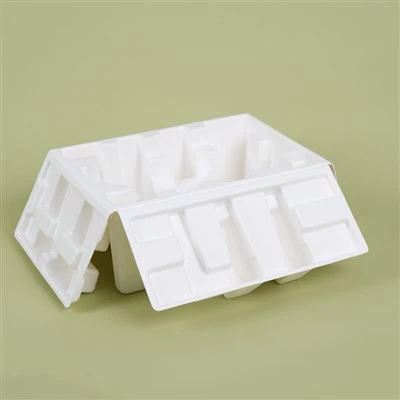
Packaging structure directly impacts user experience and shipping costs. Common structures include flip-top, hinged-top, and book-style designs.
Craftsmanship Selection: Technology-Driven Quality Upgrades
Manufacturing processes directly affect the quality and cost of the packaging.
Material Compatibility: A Dual Consideration of Environmental Protection and Performance
Material selection must balance cost, load-bearing capacity, and environmental friendliness.
Production and Manufacturing: Refined Control from Sample to Mass Production
The production process includes four steps: prototyping, printing, molding, and quality inspection. During prototyping, structural dimensions (error ≤ ±1mm), color (ΔE ≤ 3), and opening/closing functionality must be confirmed. In the printing stage, ink drying time must be controlled (UV printing requires only 3-5 seconds, while offset printing requires 24 hours of natural drying). In the molding stage, cutting and creases are completed using a die-cutting machine, with a speed of up to 5000 pieces/hour. Quality inspection involves randomly sampling 10% of the finished products, focusing on checking seam strength (tensile strength ≥ 5N) and surface defects (≤ 2 defects per finished product).