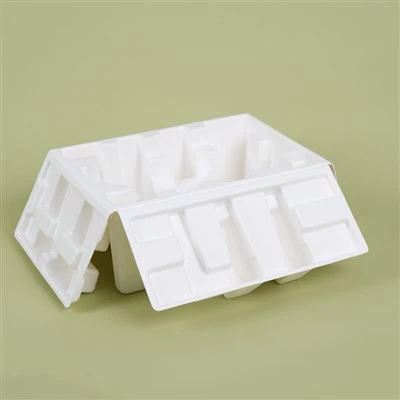
Environmentally friendly packaging solutions should be the least amount of packaging used, while meeting functions such as protection, convenience, and sales. Countries in Europe and America have listed packaging reduction as the preferred measure for developing harmless packaging.
Environmentally friendly packaging should be easy to reuse or recycle. Reuse can be achieved through multiple reuses, or by recycling waste to produce recycled products, incinerating for thermal energy, composting to improve soil, etc. This achieves the goal of reuse without polluting the environment and making full use of resources.
Packaging waste should be degradable. To avoid forming permanent waste, non-recyclable packaging waste should be able to decompose and decompose, thereby improving soil. All industrialized countries in the world attach importance to developing packaging materials that utilize biodegradable or photodegradable materials. Reduce, Reuse, Recycle, and Degradable are the 3R and 1D principles of developing green packaging recognized worldwide in the 21st century.
Packaging materials should be non-toxic and harmless to humans and organisms. Packaging materials should not contain toxic substances, or the content of toxic substances should be controlled below relevant standards.
Throughout the entire lifecycle of packaging products, they should not cause pollution or harm to the environment. This means that the entire lifecycle of packaging products, from raw material collection, material processing, product manufacturing, product use, waste recycling, to final disposal, should not cause harm to human health or the environment.